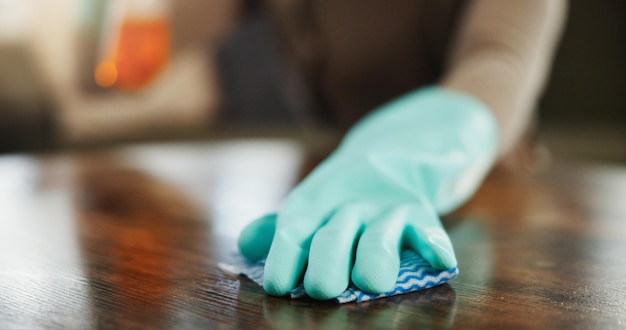
A Proven System Built on Scientific Principles
Our methodology combines EPA-registered products, proper application protocols, and healthcare standards to deliver reliable pathogen elimination. Here's how our approach works.
Return HomeFoundation in Evidence-Based Principles
Our methodology emerged from a simple observation: effective sanitization requires understanding the science behind pathogen elimination. We recognized that many cleaning approaches focus on visible cleanliness without addressing invisible microbial threats. This gap between appearance and actual disinfection led us to develop a system grounded in proven microbiological principles.
We believe that clients deserve transparency about what sanitization can and cannot accomplish. This honesty guides every aspect of our approach. We explain that disinfection provides point-in-time pathogen reduction, that different organisms require different contact times, and that environmental factors affect outcomes. This foundation in scientific reality prevents overpromising while building trust.
The core values driving our methodology are accuracy in claims, adherence to established protocols, and commitment to documentation. We don't claim to achieve what science cannot support. Instead, we focus on what EPA-registered products are proven to accomplish when applied correctly. This discipline ensures our promises align with realistic outcomes.
We developed this approach by studying healthcare facility protocols, examining EPA product registrations, and understanding manufacturer specifications. The methodology represents synthesized knowledge from these established sources rather than proprietary secrets. The effectiveness comes from executing known principles with careful attention to detail.
The SafespaceX Disinfection Framework
Our systematic approach ensures consistent application of proven sanitization principles. Each phase builds on the previous one to deliver comprehensive protection.
Assessment and Product Selection
We begin by understanding your specific situation and concerns. What pathogens are you addressing? What surfaces need treatment? What regulatory requirements apply? Based on these factors, we select EPA-registered disinfectants proven effective against relevant organisms. Each product choice is documented with its EPA registration number and target pathogens.
Surface Preparation
Disinfectants work most effectively on clean surfaces. We remove visible soil and debris before applying disinfection products, as organic matter can reduce disinfectant effectiveness. This preliminary cleaning ensures the disinfection step can work as the manufacturer intended. We identify high-touch surfaces that require particular attention based on usage patterns.
Proper Application and Contact Time
We apply disinfectants according to manufacturer specifications, ensuring adequate coverage and proper dilution. Most critically, we maintain the required contact time, the period the disinfectant must remain wet on the surface to be effective. This discipline distinguishes true disinfection from superficial wiping. Our team uses timers to verify contact times are met.
Safety and Ventilation
Our team uses appropriate personal protective equipment and follows ventilation practices. We coordinate timing to minimize exposure to occupants while ensuring adequate air exchange. Safety protocols protect both our staff and your building occupants. We provide clear guidance on when spaces can be safely reoccupied based on product specifications.
Documentation and Verification
Every service concludes with complete documentation. We record which products were used, what areas were treated, when service occurred, and when reoccupation is safe. This documentation supports your compliance requirements and provides accountability. You receive records that demonstrate professional sanitization was performed according to established standards.
Ongoing Adaptation
For clients with regular service schedules, we adapt our approach based on changing needs and emerging concerns. If new pathogens become relevant or if facility use changes, we adjust product selection and protocols accordingly. This flexibility ensures the methodology remains appropriate to your current situation while maintaining scientific rigor.
Research and Standards Behind Our Approach
Our methodology relies on products that have undergone rigorous EPA registration testing. This registration process requires manufacturers to demonstrate that their disinfectants kill specific pathogens under controlled conditions. We use these EPA registrations as our primary guidance for product selection, ensuring we're working with validated tools.
The contact time requirements we follow come directly from manufacturer specifications, which are based on their EPA registration testing. These times represent the minimum period the disinfectant must remain wet on a surface to achieve the claimed pathogen elimination. By adhering to these specifications, we align our practice with the scientific evidence supporting product effectiveness.
For healthcare facility services, we reference guidelines from organizations like the CDC and WHO regarding environmental infection control. While we're not a healthcare institution ourselves, we apply the same principles these organizations recommend for facility sanitization. This includes understanding the distinction between cleaning, sanitizing, and disinfecting, and knowing when each level is appropriate.
Our quality assurance approach includes regular training for our team on proper product application, safety protocols, and documentation requirements. We maintain records of EPA product registrations, manufacturer specifications, and relevant health guidelines. This knowledge base ensures our staff can explain not just what we do, but why we do it that way.
Understanding the Limitations of Conventional Cleaning
Many cleaning services focus primarily on visible cleanliness, using products that remove dirt and create pleasant scents. While this addresses aesthetic concerns, it doesn't necessarily reduce pathogen levels. Regular cleaning products may not have disinfection claims or may not maintain adequate contact time for pathogen elimination. This leaves a gap between appearance and actual microbial safety.
Some services use disinfectants but don't allow proper contact time. When surfaces are wiped immediately after product application, the disinfectant may not have sufficient time to work. This creates the appearance of disinfection without the actual pathogen reduction. The contact time requirement is often overlooked because it's less visible than the wiping action itself.
Documentation is another area where conventional approaches sometimes fall short. Without detailed records of which products were used, when service occurred, and what areas were treated, there's no verification that protocols were followed. This lack of documentation can be problematic for facilities with compliance requirements or for those who need to demonstrate due diligence in sanitization efforts.
Our approach addresses these gaps by using EPA-registered disinfectants, maintaining proper contact times, and providing complete documentation. We recognize that thorough disinfection may take more time than quick cleaning, but this investment of time is necessary for the results we're trying to achieve. The difference lies in prioritizing microbial reduction over speed or convenience.
What Sets Our Methodology Apart
Science Over Marketing
We base our claims on EPA product registrations and manufacturer specifications rather than marketing language. This means we can explain exactly what we're using, why it's effective against specific pathogens, and what limitations exist. Clients appreciate this honesty because it sets realistic expectations.
Healthcare-Informed Protocols
Our team receives training in infection control principles drawn from healthcare settings. This includes understanding bloodborne pathogen protocols, resistant bacteria concerns, and the distinction between different levels of disinfection. While not every client needs healthcare-level sanitization, having this knowledge ensures we can provide it when necessary.
Complete Accountability
Our documentation creates a verifiable record of service. You can confirm which products were used by checking their EPA registration numbers. You can verify contact times were appropriate by comparing to manufacturer specifications. This transparency allows for independent verification of our work.
Adaptive Application
We understand that different situations require different approaches. A dental office has different needs than a retail store. An outbreak response requires different considerations than routine maintenance. Our methodology provides a framework that adapts to specific requirements while maintaining scientific rigor.
How We Track and Communicate Results
Success in sanitization isn't always immediately visible, which is why documentation becomes critical. We track results through detailed service records that capture what was done, when it occurred, and what products were used. This creates an auditable trail that supports compliance requirements and quality assurance programs.
For clients seeking verification, we can discuss options like ATP (adenosine triphosphate) testing, which measures organic material on surfaces before and after cleaning. While this doesn't test for specific pathogens, it provides a quantifiable indicator of surface cleanliness. We explain both the value and limitations of such testing so clients can make informed decisions about verification methods.
Progress for clients with regular service schedules is measured through consistent documentation over time. This creates a pattern of regular professional sanitization that supports long-term health maintenance goals. The accumulated documentation demonstrates ongoing commitment to appropriate cleanliness standards.
We set expectations realistically by explaining that disinfection provides point-in-time pathogen reduction rather than permanent sterility. Surfaces can become recontaminated through normal use. This is why we discuss regular service schedules for high-traffic environments or critical facilities. Success means maintaining appropriate cleanliness levels through consistent professional attention.
What makes our methodology effective is the commitment to following established protocols rather than cutting corners for efficiency. We recognize that proper disinfection requires time, appropriate products, and careful execution. By prioritizing these factors over speed, we deliver the pathogen reduction that EPA-registered products are designed to achieve.
Our competitive advantage comes from expertise in applying scientific principles to practical sanitization challenges. We understand the microbiology behind pathogen elimination, the chemistry of disinfectant action, and the regulatory frameworks governing environmental infection control. This knowledge allows us to make informed decisions about product selection and application methods.
The unique value we provide is transparency about what sanitization can accomplish. We explain that no disinfection method eliminates all microorganisms, that environmental factors affect outcomes, and that ongoing prevention requires regular maintenance. This honesty builds trust because clients understand exactly what they're receiving and what results they can realistically expect.
Clients choose our methodology when they need more than surface-level cleaning. They're seeking science-based protection backed by EPA product registrations, implemented by trained professionals, and verified through complete documentation. This systematic approach delivers the confidence that comes from knowing their space received professional care according to established standards.
Experience Our Science-Based Methodology
Let us show you how our systematic approach to sanitization can address your specific needs. We'll explain our process, answer your questions, and provide honest guidance about what you can expect.
Request Your Assessment